How to Avoid Counterfeit Items When Buying Secondhand Online with a Simple Checklist
The practice of purchasing used goods through online platforms has become more popular. People are buying secondhand online items to save money and practice eco-friendly shopping methods. This includes buying vintage clothing and purchasing refurbished electronic devices. The expanding market creates a major security threat through its distribution of fake products.
Current counterfeit products have reached a level of sophistication that exceeds previous standards. The majority of counterfeit products show almost perfect resemblance to genuine items, which creates challenges for shoppers to recognize suspicious aspects. People need to learn how to detect and prevent counterfeit products. This knowledge protects their ability to conduct safe business deals. The absence of proper product inspections leads buyers to lose money through their purchase of products that lack quality.
This guide explains a practical and easy-to-follow checklist for buying secondhand online items safely. The system shows users how to check product authenticity, assess sellers, and decrease the chances of encountering counterfeit items. The article will also assist both new and experienced users in making better and safer purchasing selections.
Table of Contents
Common Counterfeit Red Flags in Buying Secondhand
| Warning Sign | What It Means |
| Price too low | Likely fake or misleading listing |
| Stock images only | The seller may not own the item. |
| No serial number | Missing authenticity proof |
| Poor description | Low credibility |
| New seller account | Higher fraud risk |
Why Counterfeit Products Are Common in Buying Secondhand Marketplaces?
The emergence of resale platforms has established fresh possibilities that benefit authentic sellers and counterfeit product distributors. The increase in secondhand online buyers results in more product listings on platforms, creating challenges for monitoring their entire inventory.
Counterfeit sellers take advantage of this scale. They often mix fake products with genuine listings to avoid detection. Buyers do not notice minor quality and packaging differences. The most frequently counterfeited products include luxury goods, branded apparel, sneakers, and electronics. Fraudsters target these products because they possess high resale value.
Price psychology stands as another explanation. Buyers anticipate that buying secondhand online products will cost less than new items. People purchasing products at low prices will find it easier to make purchases and perceive the prices as acceptable. Some platforms use peer-to-peer transactions as their primary method.
The system provides users with more flexibility and decreases their ability to verify information when compared to standard retail systems. The real reason for counterfeit product presence helps buyers maintain their protective measures. The first step to fraud protection requires secondhand online buyers to understand all existing dangers.
Key Warning Signs of Counterfeit Listings
When buying secondhand online items, it is important to pay attention to red flags that tell you something is wrong. Many counterfeit items can be detected as the sellers do not pay attention to little differences.
- A prime example of a red flag from buying secondhand online marketplaces is that items have huge discounts. However, if an item is too inexpensive compared to similar items on the market, it is probable that the item is fake.
- Another indication is the quality of the photos shown in a listing. If a seller has used stock pictures instead of taking photos of the actual item, then you would be very aware of the fake items. When a seller is legitimate, they will have numerous photos of the actual item taken from various angles.
- There are also indications within the descriptions of the items being sold. The description of a legitimate item will have clear and concise wording without any misspellings or lack of information regarding the origin of the item. Example: “product made from 100% leather” is a very clear and concise way of saying the item is legitimate.
- The seller’s history is also a factor. With little history, no reviews on their listings, and with inconsistent feedback, all the factors should be scrutinized before purchasing an item.
Taking the time to evaluate these red flags could greatly reduce the chances of receiving a counterfeit item.
Verifying the Authenticity While Buying Secondhand Online Items
Verifying the authenticity of items before buying secondhand online items requires research methods and meticulous examination. Buyers should not rely solely on the seller’s claims but instead cross-check information independently.
Start by researching the product’s original specifications. Official brand websites usually provide information about material composition, logo design, packaging methods, and serial number identification. The process of comparing these details with the listing enables the identification of discrepancies between the two sources.
The identification of authenticity requires serial numbers together with authenticity codes, as both elements hold particular value in electronics and luxury items. Buyers should request clear images of these identifiers and verify them when possible.
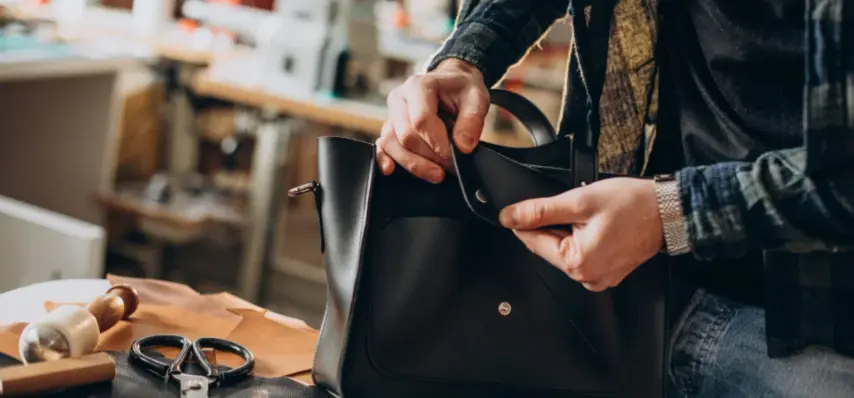
The listing comparison method proves effective because it enables authentic items to be compared with their respective listings. The assessment process enables us to discover all variations between design elements, stitching techniques, labeling methods, and construction materials.
The process of verifying product information requires contact with the seller for assistance. Asking specific questions about the product’s history, purchase source, and current condition will help detect any inconsistencies in their answers. Hence, buying secondhand online products requires multiple verification methods, which create an effective defense system to combat counterfeit merchandise.
Evaluating Seller Credibility Before Buying Secondhand Online Items
The credibility of a seller is one of the best ways to have a secure transaction. If sellers have positive feedback and communicate openly with customers, it demonstrates trustworthiness.
Before purchasing from a seller, look over their profile to see the following:
- If they have consistent ratings.
- Elaborate reviews.
- Number of completed transactions.
- Long-term accounts are more trustworthy.
- Observe the seller’s interaction with buyers.
- Quick and thorough responses are professional.
- The return policy or warranty is another indicator of credibility.
Some marketplaces offer seller verification badges or seller authentication services (they verify that the seller is valid before allowing them access to sell). By using these verification methods, you are adding additional security to your transaction.
When buying secondhand online items, dealing with reputable sellers decreases your chances of receiving counterfeit products.
Safe Payment Practices to Avoid Fraud
The security of payment methods provides essential protection for consumers. Users face major difficulties when they attempt to obtain refunds after purchasing counterfeit products through unsafe payment methods. The platform provides the best protection through its secure payment systems, which users should always select. The security systems provide buyer protection policies that enable users to resolve disputes through refunds when they experience fraudulent activities.
Users should not use direct bank transfers, cryptocurrency payments, or off-platform payments because these methods create untraceable transactions that lack any form of security protection. Users should consider credit cards as their safest payment method because these cards offer extra security through their dispute resolution systems. Most card issuers permit customers to reverse transactions that involve fraudulent activity through chargeback rights.
Every business needs its team members to maintain complete records, which include all communication and transaction information. The documentation serves as evidence to support claims during a dispute resolution process. Buying secondhand online items requires users to select safe payment methods and authenticate products through security checks.
Tools That Help Detect Counterfeits in Buying Secondhand
Some platforms and tools exist to minimize the threat of counterfeit products. Most online marketplaces today provide built-in authentication systems that verify the authenticity of high-value products.
Certain resale platforms verify the authenticity of luxury merchandise before they send products to customers. The procedure verifies that products fulfill both quality requirements and authenticity requirements.
There are authentication services that independent organizations provide to verify products. The services focus on validating designer handbags, watches, and sneakers as their main expertise.
The system uses image recognition tools together with community forums to deliver extra assistance. Experienced buyers share their knowledge to assist others in detecting potential fake products.
The use of reliable platforms and tools creates a safer environment for buying secondhand products online, which applies particularly to high-value items and dangerous products.
The Ultimate Checklist for Buying Secondhand Online Safely
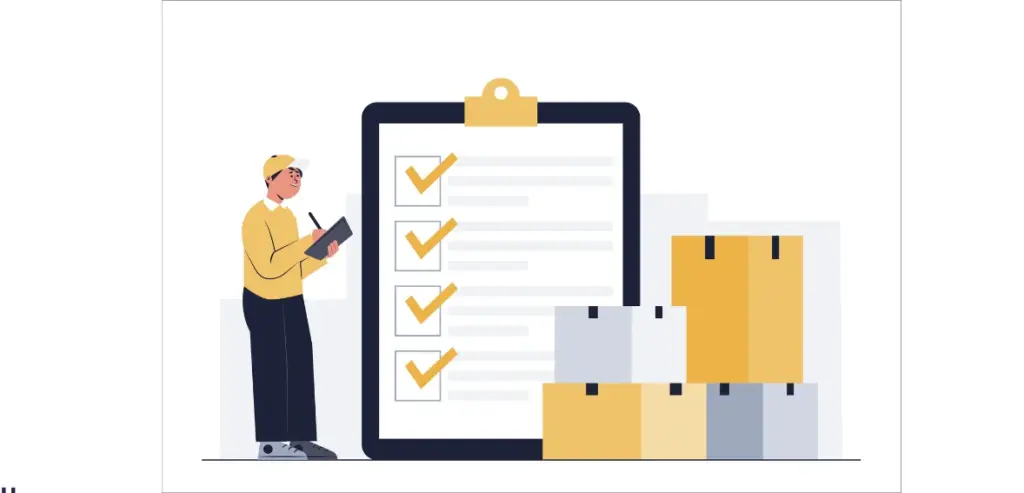
To reduce the chance of making many wrong assumptions on the sale of secondhand items, ensure you complete a list of verifications before buying a secondhand item online.
Pre-Purchase Verification Checklist
You should ensure the following are true before purchasing the product:
- The price is appropriate based on what the seller is currently selling the item for, as compared to the current resale price from the same seller.
- The listing has the original photos of the item being sold and is not listed using a stock image.
- Providing all necessary product specifications that can be verified with the official manufacturer’s specifications at the time of purchase.
- The serial numbers, tags, or any other authentication markers are visible.
- The seller provides a detailed written description of the item for sale to ensure the buyer knows what they are purchasing.
Seller Credibility Checklist
You should conduct a thorough review of the seller:
- Seller receives many positive ratings and has provided detailed reviews of items sold by them.
- They consistently conduct multiple transactions on their account and maintain a consistent level of conduct.
- The seller is courteous and responsive to any questions asked promptly.
- The return or refund policy includes clear guidelines and is easy to understand.
Payment Safety Checklist
You must ensure that your payment has been made through a secure method before finalizing your purchase.
- You should only use methods of payment that the website supports, and only use that website to make the transaction.
- You should never make payments outside the website.
- You should always use a credit card to make your payments, as you have buyer protection on that payment method. Your financial records should contain records of all email communications and payment information related to the transaction.
If you consistently follow the above-listed pre-sale verification processes, you will begin to develop safe purchasing processes when buying secondhand items online. This will become habitual over time and will greatly reduce the chances of purchasing a fraudulent product.
Conclusion
Online resale marketplaces have expanded their presence to provide customers with better access to unique and inexpensive products. The system enables customers to purchase used goods through online platforms. Buyers can minimize purchase hazards through three methods, which include identifying typical fraud indicators, confirming product legitimacy, and assessing vendor trustworthiness.
The combination of secure payment options and reliable platforms provides users with advanced security measures against fraudulent activities. A basic checklist transforms the process of buying secondhand items into a dependable process that produces uniform results. The process of structured evaluation enables better decision-making because it provides more important information than available assumptions.
People need to develop both knowledge and self-control to shop securely at secondhand online stores. Before your next purchase, use this appropriate checklist to shop smarter and avoid costly mistakes, and prevent purchasing counterfeit merchandise.
FAQs
How can I prove an item is not real or a fake (copy) item?
The best way to determine whether an item is real or not is to check for differences in prices, images, and information about the product. You can also ask for additional proof from the seller and compare it to the brand company’s specifications.
Are all the low-priced used items fake?
Not always! However, when a price is significantly lower than what the item is worth, then the price is suspicious. A confirmation of the authenticity of the item should be made before you purchase it.
What is the best way to pay for used items that I buy online?
Payment for used or secondhand items should always be made through secure payment systems (like PayPal) or credit cards that provide buyer protection and dispute options.
Can I trust sellers without feedback?
Sellers who do not have feedback are at a higher risk of being scammed. If there are other Sellers with feedback, it is best to purchase from them.
Will resale sites verify that the item is real or not?
Some resale websites will provide services to authenticate an item, especially used or secondhand luxury goods. If the resale site does not state whether they provide these services or not, then you will need to authenticate the item yourself before you purchase it.