
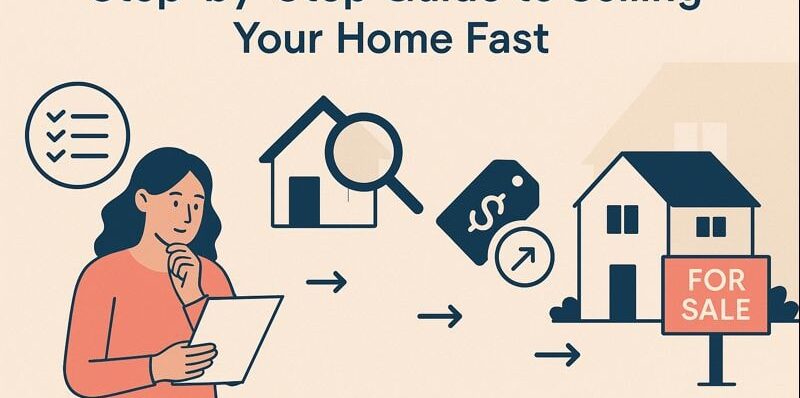
How to Sell Your Home Fast: Step-by-Step Guide
If your goal is to sell your home fast, you need two things working together: a clear plan and fewer points of friction for buyers. Homes typically sell quickest when they are priced correctly, presented beautifully, marketed aggressively in the first week, and supported by a clean “paperwork trail” that reduces buyer anxiety.
When you sell your home fast, you’re not only chasing speed—you’re also protecting your net proceeds by avoiding repeated price cuts, extended carrying costs, and stale listing fatigue.
This guide walks you through a practical, step-by-step system to sell your home fast without making avoidable mistakes. You’ll learn how to set the right timeline, choose the best selling method for your situation, prepare the property for rapid showings, and keep the deal from falling apart during inspections, appraisal, and closing.
You’ll also see how smart concessions and buyer-friendly terms can help you sell your home fast while still staying in control of the outcome.
A quick sale is not luck. It’s a sequence of decisions—many of them made before your listing goes live. The faster you want to move, the more important it becomes to remove uncertainties for buyers: unclear pricing, deferred maintenance, poor photos, inconvenient showings, and slow responses.
When you sell your home fast, you’re essentially making it easier for a qualified buyer to say “yes” today instead of “maybe later.”
Define Your Timeline and “Fast Sale” Strategy
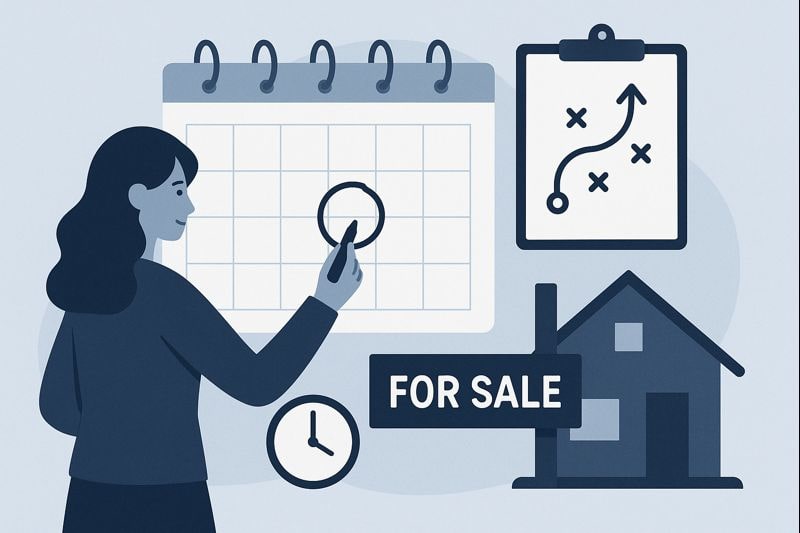
To sell your home fast, start by defining what “fast” means for you. Is it seven days to get under contract? Thirty days to close? Or “as soon as possible” because of a job move, divorce, inheritance, or financial pressure?
Your timeline determines the best strategy, the price posture you should take, and the level of preparation required. Speed is usually purchased with either convenience (using instant-offer options) or competitiveness (creating demand through pricing and presentation).
Next, outline your non-negotiables. For example: Do you need a rent-back to stay after closing? Do you require a specific minimum net amount? Are you willing to do repairs?
These answers shape how you sell your home fast because buyers move faster when the terms are clean, the property condition is understood, and the seller can commit to a predictable closing date.
You’ll also want to evaluate your local seasonality, neighborhood demand, and property type. Condos, unique homes, and rural properties can still sell your home fast, but they often require sharper pricing and stronger marketing.
Meanwhile, entry-level homes and move-in-ready properties tend to attract faster, more competitive offers. If you want to sell your home fast, you must be realistic about how your home fits current buyer preferences like open layouts, updated kitchens, dedicated workspaces, and energy-efficient features.
Finally, pick a launch date and build a backward plan: pre-list inspection (optional), repairs, staging, photos, listing prep, and marketing rollout. When the first week is executed well, you’re far more likely to sell your home fast at a strong price.
Choose the Right Selling Path: Traditional Listing, Instant Offer, Investor, or Auction
If you need to sell your home fast, choosing the right sales channel matters as much as price. A traditional listing on the MLS can still be the fastest path when your home is prepared well and priced to generate immediate activity.
This approach often produces the highest net proceeds because you invite broad competition. You sell your home fast here by optimizing the first 3–10 days: perfect photos, strong description, easy showings, and fast seller response time.
Instant-offer options (often called iBuyers) and direct investor buyers prioritize convenience. They can help you sell your home fast with fewer showings and a predictable timeline, but they may charge service fees, offer less than retail market value, or adjust the price after inspections. This path can be smart when speed and certainty are more important than maximizing every dollar.
Auctions can work when you need to sell your home fast and your property has a clear buyer pool, but results vary by market and auction structure. Some auctions set a reserve price; others do not. The key advantage is a defined timeline and urgency. The risk is that the final price depends heavily on bidder turnout and marketing.
A hybrid strategy is also possible: list traditionally for a short window (for example, 10–14 days) with a clear review date for offers, while keeping an investor option as a backup. This allows you to sell your home fast without leaving money on the table if the market responds strongly.
Price to Move Without Leaving Money on the Table
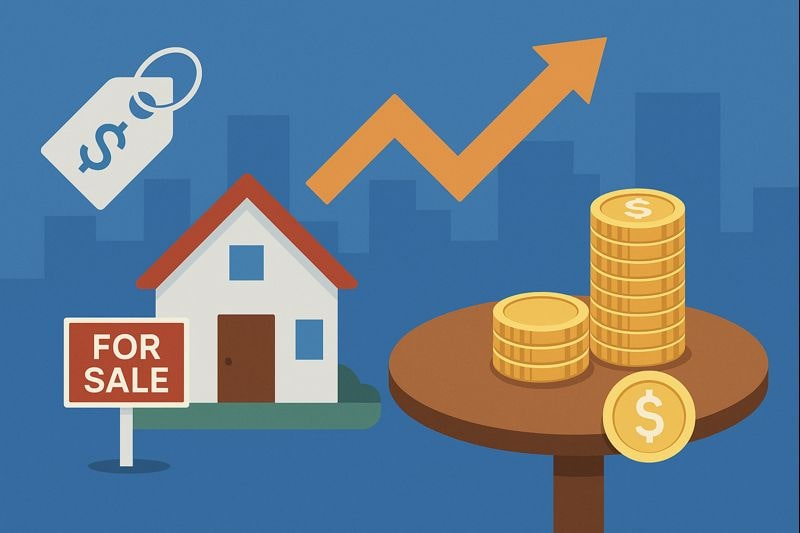
Pricing is the biggest lever when you want to sell your home fast. A home that’s priced correctly creates urgency. A home that’s overpriced creates doubt, reduces showings, and often leads to multiple price cuts that can make buyers wonder what’s “wrong” with the property. The goal is to hit a price point that feels fair, justified, and attractive compared to nearby alternatives.
Start with comparable sales (“comps”) from the last 30–90 days when possible. Focus on homes with similar size, layout, condition, and location. Then adjust for major differences like an extra bathroom, renovated kitchen, new roof, premium lot, or garage count.
If you’re serious about how to sell your home fast, don’t anchor your expectations to what you “need” or what your neighbor got years ago. Anchor to what buyers can choose today.
Next, evaluate active listings you compete with right now. Buyers don’t only compare you to past sales—they compare you to available options. If your home is less updated than the best active listings, your price must reflect that. If you want to sell your home fast, you need to look better, feel easier, or cost less than the alternatives.
Also consider pricing psychology. Listing at a price that falls just under a common search threshold can increase your buyer pool dramatically. For example, a listing priced just under a round-number bracket can appear in more searches and create more competition. More competition helps you sell your home fast while protecting your final sale price.
Finally, avoid “testing the market” if speed is your priority. Testing is the opposite of a plan to sell your home fast. A sharper, market-aware price—paired with great presentation—often yields faster offers and better terms.
Data-Driven Pricing, Concessions, and “Speed-Boost” Terms
To sell your home fast, pricing can’t be separated from terms. Two sellers at the same price can get very different results based on what they offer the buyer. Concessions (like closing cost credits), a flexible closing date, and pre-disclosed inspection information can reduce buyer hesitation and speed up decisions.
One effective approach is “price-to-win” plus a controlled offer review timeline. You price at (or slightly below) the strongest comparable value and schedule showings heavily for a short window. This helps you sell your home fast by building momentum and urgency. The key is making your home easy to see and responding quickly.
Concessions can be strategic rather than desperate. Instead of a price cut, consider a closing cost credit that helps buyers manage cash flow. This can attract more qualified offers and help you sell your home fast because buyers feel the purchase is more affordable upfront.
Another speed booster is reducing friction on contingencies. You can’t always eliminate contingencies, but you can make the process smoother by having documents ready: disclosures, permits (if applicable), utility costs, HOA info, and a list of recent upgrades with receipts. Buyers move faster when they trust what they’re buying. When you sell your home fast, trust is a currency.
If your market tends to have appraisal concerns, pricing slightly under the most aggressive comp can reduce the chance of appraisal issues and keep your deal on track. That’s a major part of how to sell your home fast without last-minute surprises.
Make High-Impact Repairs and Staging for Speed
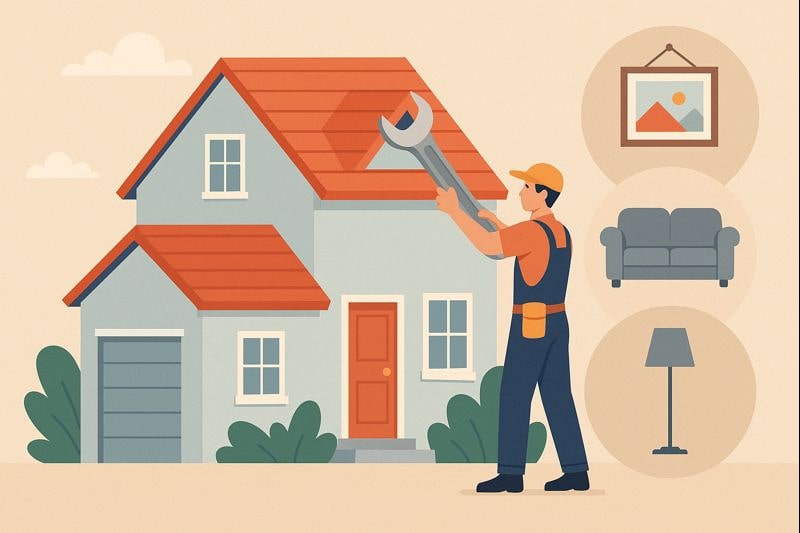
When you’re trying to sell your home fast, you don’t need to renovate everything. You need to remove the specific issues that slow buyers down: visible damage, strong odors, dated lighting, dirty paint, clutter, and anything that makes them think “this will be a project.” Buyers often overestimate repair costs. That fear causes delays, low offers, or no offer at all.
Start with a “first impression” walk-through like a buyer who just saw five other homes. Notice what stands out: scuffed walls, leaky faucets, sticking doors, broken switches, worn caulk, stained grout, old smoke detectors, or an overgrown yard. Fixing small issues is one of the most reliable ways to sell your home fast because it signals that the home is cared for.
Deep cleaning is non-negotiable. Clean floors, baseboards, windows, bathrooms, and kitchen surfaces. Neutral smells matter more than people think. If you want to sell your home fast, eliminate pet odors, smoke residue, and strong cooking smells. These are silent deal killers.
Staging is not about making your home look “fancy.” It’s about making rooms feel larger, brighter, and easier to imagine living in. Remove oversized furniture, clear counters, and keep decor minimal. The fewer distractions, the faster a buyer can decide. That’s how you sell your home fast with less negotiation.
Lastly, focus on curb appeal. A buyer’s decision is emotional first, logical second. Fresh mulch, trimmed landscaping, a clean entry, updated house numbers, and a welcoming front door can increase perceived value and help you sell your home fast.
Pre-Inspection, Repair Priorities, and “Fast Showing” Setup
If your timeline is tight and you need to sell your home fast, consider a pre-list inspection in situations where you suspect issues (older roof, foundation concerns, aging HVAC, visible water stains). It’s not mandatory, but it can reduce surprises that derail a deal.
A buyer who sees proactive transparency can feel safer moving forward quickly—exactly what you want when you sell your home fast.
Repair priorities should follow a simple rule: fix what buyers notice immediately and what inspectors flag commonly. That includes water leaks, electrical issues, HVAC performance, roof concerns, active pests, broken appliances, and safety items like railings and smoke/CO detectors.
Cosmetic upgrades matter too, but safety and functionality help you sell your home fast because they protect the contract from collapsing during due diligence.
Create a “fast showing” routine. Keep beds made, counters clear, trash removed, and lights working. Store valuables and personal items. For speed, you want the home to be show-ready with minimal effort. A messy home slows down your ability to sell your home fast because you’ll decline showings or delay access.
Also prepare a simple property information sheet: age of roof, HVAC, water heater, and major renovations. Include utility cost estimates if you can. Buyers and agents love clarity. Clarity speeds up decisions, and that’s how you sell your home fast in a competitive environment.
Market Like a Pro in the First 7 Days
If you want to sell your home fast, your first week is your power window. Most serious buyer attention arrives early. A listing that launches with mediocre photos, unclear description, or limited access can miss its best opportunity and then struggle to regain momentum.
Start with professional photography whenever possible. Bright, high-resolution photos make your home look more spacious and inviting. Include wide shots, key upgrades, and outdoor areas.
If the home has a great layout, consider a 3D tour or video walkthrough. Digital presentation helps you sell your home fast because many buyers decide whether to tour a home based on online photos alone.
Write a listing copy that answers buyer questions quickly. Highlight what buyers care about: recent upgrades, school zones (if relevant), commute access, neighborhood amenities, storage, outdoor space, and energy-efficient features.
Use simple language and short paragraphs. Your listing should make it easy to say “this fits.” That’s part of how you sell your home fast.
Next, maximize distribution. MLS syndication matters, but so does social media exposure, email blasts, and local agent outreach. If you’re working with an agent, ask about their launch plan: pre-marketing, broker open, weekend open houses, and paid promotion. When the launch is planned, you sell your home fast more consistently.
Finally, remove showing barriers. Offer flexible showing times, use a lockbox (where appropriate), and respond quickly to requests. Buyers move on fast when access is difficult. Easy access helps you sell your home fast because you capture demand while it’s hot.
Photos, Listing Quality, Open Houses, and Buyer Psychology
To sell your home fast, you’re selling a feeling: “This home is ready, it’s priced right, and it won’t last.” Your marketing should reinforce that feeling without sounding desperate. Strong visuals, clean staging, and a clear value story do most of the work.
Your photo order matters. Lead with your best exterior shot or most impressive interior space. Show the flow: living areas, kitchen, primary bedroom, bathrooms, then outdoor spaces. Keep the home bright by opening blinds, turning on lights, and avoiding overly personal photos. Visual simplicity helps buyers imagine themselves there, which helps you sell your home fast.
Open houses can accelerate a sale when they are timed correctly. A well-promoted open house during the first weekend can create urgency because buyers see other interested visitors. Even if buyers don’t make an offer on the spot, the social proof can push them to act sooner. That’s one reason open houses can help you sell your home fast.
Also consider “offer deadlines” carefully. In some markets, a deadline after a heavy showing weekend encourages buyers to present their best terms quickly. But deadlines should be used strategically—your pricing and demand must support it. Done well, this approach can help you sell your home fast while strengthening your negotiating position.
Remember: speed often comes from clarity. Clear disclosures, clear pricing, clear showing availability, and clear response times create confidence. Confidence is the engine that helps you sell your home fast.
Manage Showings, Offers, and Negotiations to Close Quicker
Once activity starts, your goal is to convert interest into a signed contract quickly and safely. To sell your home fast, you must treat every inquiry and show like a potential closing. That means rapid communication, consistent availability, and a structured offer review process.
Track feedback immediately. If multiple buyers mention the same concern—price, smell, lighting, clutter—you should address it fast. Speed requires agility. Small adjustments early can help you sell your home fast before the listing goes stale.
When offers arrive, don’t focus only on price. Look at the full package: financing type, down payment strength, inspection terms, appraisal gap coverage, closing timeline, and buyer concessions requested.
The “highest” offer isn’t always the safest or fastest. If your main objective is to sell your home fast, prioritize certainty and clean terms.
Counteroffers can be used to tighten timelines. For example, you can shorten inspection periods, require quick earnest money deposits, or set specific deadlines for buyer responses. These tactics help you sell your home fast because they keep the transaction moving and reduce the chance of the buyer shopping for other homes.
Also be ready with your own paperwork: disclosures, HOA docs, receipts for upgrades, survey (if you have it), and a list of included/excluded items. Delays often happen because sellers scramble to locate documents after an offer is accepted. Preparation helps you sell your home fast all the way through closing.
How to Evaluate Offers Quickly Without Regret
To sell your home fast and still feel good about the outcome, evaluate offers with a clear scoring system. Assign weight to speed factors like shorter contingencies, strong financing, flexible closing date, and fewer repair demands. Then consider net proceeds after concessions, credits, and commissions.
Financing strength matters. A buyer with solid pre-approval (not just pre-qualification) and a track record lender typically closes faster than a buyer with shaky documentation. If you’re trying to sell your home fast, a reliable lender can be as valuable as a higher offer price.
Inspection terms often determine how smooth the deal will be. Buyers may request repairs or credits. That’s normal. To maintain speed, consider offering a small repair credit cap instead of agreeing to open-ended negotiations.
You can also provide invoices for recent repairs to reassure the buyer. This approach protects momentum, helping you sell your home fast without repeated back-and-forth.
Appraisal risk is another time trap. If the home might appraise tight, a buyer who can cover an appraisal gap may keep the deal intact. When appraisal issues arise, closings get delayed. If you want to sell your home fast, reducing appraisal drama is a big win.
Finally, don’t underestimate responsiveness. A buyer (and agent) who communicates quickly usually performs quickly. Fast replies, clean documentation, and clear expectations on both sides are the practical mechanics of how you sell your home fast.
Streamline the Closing: Paperwork, Title, Appraisal, and Underwriting
Many sellers think the job is done once they accept an offer. But if you want to sell your home fast, the closing process is where deals often slow down—or fall apart. Your goal is to remove “unknowns” and keep the buyer’s lender, inspector, and title company moving without delays.
Title work can uncover issues like liens, unpaid taxes, recording errors, boundary disputes, or missing releases. The faster you order title and resolve issues, the easier it is to sell your home fast through closing. If you have old payoff statements, divorce documents, or estate paperwork, organize them early.
Appraisals can also slow things down, especially when there are limited comps or market conditions are shifting. Help the appraiser by providing a clean list of improvements with dates and costs. If you’re trying to sell your home fast, giving the appraiser a clear upgrade package can reduce confusion.
Underwriting delays often come from missing documents, last-minute changes, or unclear repair agreements. Keep repair negotiations simple and documented.
Ensure the buyer can schedule inspections promptly, and respond quickly to requests for invoices or access. When sellers drag their feet, closings stretch. When sellers stay organized, they sell their home fast with fewer surprises.
Also be prepared for buyer walkthrough timing. The buyer will want to confirm the home’s condition matches the contract. Keep the property in good shape and avoid moving chaos too early. A smooth final walkthrough protects your goal to sell your home fast without last-minute disputes.
A Practical “No-Delay” Closing Checklist
If you want to sell your home fast, use a checklist that prevents common bottlenecks:
- Start by choosing reputable professionals: A responsive real estate agent, title company, and (for buyers) lenders matter more than most sellers realize. Fast closings require fast coordination. Confirm who is managing deadlines and how updates will be shared.
- Next, prepare key documents: ID, HOA contact info, HOA bylaws (if you have them), recent utility bills (optional but helpful), receipts for upgrades, permits (if applicable), warranties (roof, HVAC), and any prior surveys. When these are ready, you sell your home fast because you eliminate “waiting on seller” delays.
- Then, schedule early: inspection appointment, appraisal access, and any agreed repairs. If repairs are needed, use licensed professionals and keep receipts. Clear documentation makes underwriting smoother, which helps you sell your home fast.
- Monitor contingency dates closely: inspection deadline, financing deadline, appraisal deadline, and closing date. Make sure all requested addenda are signed promptly. A single unsigned form can delay a file.
Finally, plan your move with timing in mind. If you need extra time, negotiate a rent-back (if common in your area) rather than risking a delayed closing. Predictability is part of how you sell your home fast without chaos.
Alternatives When You Must Sell Your Home Fast
Sometimes the traditional route isn’t the best fit, especially if the home needs major repairs or you have an urgent deadline. If you absolutely must sell your home fast, it helps to understand alternative paths and their trade-offs so you can choose speed with open eyes.
- A direct sale to an investor can reduce hassle: fewer showings, as-is purchase, and potentially faster closing. This can be helpful if the home has structural issues, outdated systems, or significant cosmetic wear that would scare retail buyers.
The trade-off is price—many investors aim for margin to cover repairs and resale risk. You can still sell your home fast here, but you’re paying for convenience. Instant-offer platforms can provide a quick path with a standardized process, but you should read the fees carefully.
Often there’s an initial offer followed by an inspection adjustment. If you want to sell your home fast, understand what triggers price changes and what repair standards they apply. - A bridge approach is also common: list for a short period while exploring backup offers. This reduces the chance you accept a low convenience offer when your home could have sold quickly on the open market.
With the right launch plan, you can still sell your home fast traditionally and keep better control over the price. Also consider the emotional and logistical cost of each option.
A “fast” sale that leaves you feeling pressured, uncertain, or surprised by fees is not ideal. The best strategy to sell your home fast is the one that balances speed, certainty, and net proceeds for your situation.
Leaseback, Rent-Back, and Other Fast-Move Solutions
If you need to sell your home fast but can’t move immediately, a leaseback (also called rent-back) can solve the timing gap. In this arrangement, you close the sale and then rent the home from the buyer for a short period.
This can make your listing more attractive because you can accept a strong offer without delaying the buyer’s timeline—while still meeting your own moving needs.
To sell your home fast using a rent-back, keep the terms clear: daily rent amount, security deposit, maintenance responsibilities, insurance expectations, and the exact move-out date. Buyers want certainty. If your rent-back looks vague, it can slow negotiation.
Another fast-move solution is offering flexible closing windows. Some buyers want to close quickly; others need time. If you can accommodate either, you may get more offers and sell your home fast because you’re not limiting your buyer pool.
Be cautious with rent-to-own or seller financing if speed is your main objective. These strategies can be complex, take longer, and create legal risk if not structured carefully. They’re not the most reliable way to sell your home fast unless you have professional guidance and a strong buyer.
If your situation involves financial hardship, explore your options carefully and avoid signing anything under pressure. The safest way to sell your home fast is to compare at least two routes: open-market listing versus a convenience offer, and calculate the net proceeds difference after fees and repairs.
Future Trends and Predictions for Faster Home Sales
The tools and expectations around real estate are evolving quickly, and many of these changes will make it easier to sell your home fast—especially for sellers who embrace technology and transparency.
Over the next few years, more transactions will be influenced by real-time pricing models, improved digital verification, and faster document processing.
One major trend is advanced pricing intelligence. Automated valuation tools are becoming more accurate, and agents increasingly use dynamic pricing strategies based on buyer activity signals. This could help sellers sell their home fast by adjusting pricing earlier—before a listing loses momentum.
Digital closings are also expanding. Remote online notarization and e-signatures reduce delays caused by scheduling, travel, and paperwork errors. Faster closings mean sellers can sell their home fast with fewer logistical constraints.
Buyer expectations are also shifting toward “certainty.” Listings with pre-inspections, clear disclosures, and documented upgrades will likely sell faster than listings that feel unknown.
In the future, sellers who package their home like a transparent product—condition report, upgrade list, and clean presentation—will be best positioned to sell your home fast even in slower markets.
Another prediction is that instant-offer options will become more competitive and better integrated with traditional listings. Sellers may receive multiple instant bids alongside retail buyer offers, creating more flexible ways to sell your home fast depending on risk tolerance and desired timeline.
How Technology and Buyer Behavior Will Change Fast-Sale Playbooks
If you want to sell your home fast in the near future, expect marketing and decision-making to become even more digital-first. Buyers increasingly screen homes through video tours, 3D walkthroughs, neighborhood data, and commute tools before ever stepping inside.
Homes that present well online will get the fastest traction, which directly affects how quickly you sell your home fast after listing.
AI-enhanced listing optimization is also growing. Tools that suggest the best list price, ideal photo sequence, and description wording based on local buyer behavior will likely become standard. That means competition will rise: more listings will be “well marketed.” To sell your home fast, you’ll need to be excellent, not just adequate.
Verification and fraud prevention improvements may speed up closings as well. Faster identity checks, faster document validation, and better title data systems can reduce the time between contract and closing. This supports a world where sellers can sell their home fast with less uncertainty.
At the same time, buyers may become less patient with outdated or poorly maintained homes. As more homes are presented “move-in ready” online, listings that need work may take longer unless priced aggressively.
That reinforces a timeless rule: if you want to sell your home fast, either improve condition or adjust price—preferably both in a strategic way.
FAQs
Q.1: What is the fastest way to sell your home fast without dropping the price too much?
Answer: The fastest way to sell your home fast without an aggressive price drop is to increase perceived value and reduce buyer uncertainty. That means: deep cleaning, decluttering, minor repairs, strong photos, and easy showings. When buyers feel confident, they act faster and negotiate less.
You can also improve speed by offering buyer-friendly terms, such as a flexible closing date or a closing cost credit instead of cutting the price. Many buyers care more about upfront cash needs than the purchase price itself. If you structure concessions correctly, you may sell your home fast while keeping your net proceeds stable.
Finally, focus on the first week. A well-executed launch creates urgency, which protects price. If you want to sell your home fast, treat the listing date like a product launch—everything ready, everything polished, and communication fast.
Q.2: Should I make repairs or sell as-is if I want to sell your home fast?
Answer: If your goal is to sell your home fast, small repairs are usually worth it because they remove obvious objections. Fix leaks, replace broken fixtures, patch holes, refresh caulk, and address safety items. These updates are relatively low-cost but can dramatically increase buyer confidence.
Selling as-is can still sell your home fast, especially if you price accordingly and market to buyers who accept renovation projects. However, as-is listings often attract more negotiation and may face financing challenges if the property condition is poor. That can slow down underwriting and closing.
A balanced approach is often best: fix high-visibility issues, disclose what you’re not fixing, and price with honesty. That combination helps you sell your home fast without sinking money into major renovations.
Q.3: How do I price my home to sell your home fast in a changing market?
Answer: To sell your home fast in a shifting market, prioritize current competition and recent comps, not older peak pricing. Watch comparable listings that are active and under contract (where available) because they reflect what buyers are choosing today.
Pricing slightly under the best comparable can generate more showings and multiple offers, which can protect your final price. If you want to sell your home fast, you’re aiming for momentum, not perfection.
Also track feedback and showing volume. If activity is low in the first week, act quickly—improve presentation, adjust terms, or correct the price. Speed requires responsiveness, and responsiveness helps you sell your home fast.
Q.4: What mistakes prevent sellers from being able to sell your home fast?
Answer: A common mistake is overpricing “to leave room to negotiate.” In many markets, that approach reduces showings and delays the sale, making it harder to sell your home fast. Another mistake is launching before the home is ready—bad photos and clutter create a weak first impression that’s hard to fix later.
Inconvenient showings also slow things down. If buyers can’t see the home easily, they move on. To sell your home fast, you need maximum access during the first week.
Finally, slow communication kills deals. Fast buyers expect fast responses. If you want to sell your home fast, you must treat every request—documents, counters, access—as time-sensitive.
Q.5: How can I sell your home fast if my home is outdated?
Answer: You can sell your home fast even if it’s outdated by focusing on cleanliness, lighting, and honest pricing. Buyers forgive style when the home feels solid and cared for. Neutral paint, bright bulbs, clean floors, and minimal clutter help an older home show better immediately.
If updates are minor and high-impact—like modern light fixtures, updated hardware, or refreshed landscaping—those changes can help you sell your home fast without a full remodel.
Most importantly, price with clarity. An outdated home should not compete at the same price as renovated listings. When your price and condition align, you can still sell your home fast because buyers understand the value proposition.
Conclusion
To sell your home fast, you don’t need perfect luck—you need a repeatable system. Start by defining your timeline and choosing the best selling path.
Then price with discipline, prepare the home to remove buyer objections, and market aggressively during the first week. After that, keep the transaction moving by staying organized, responding quickly, and preventing common closing delays.
The fastest sales happen when buyers feel three things right away: confidence in the home’s condition, clarity on the price, and ease in the process. Every step in this guide is designed to strengthen those feelings so you can sell your home fast without unnecessary stress.