

How to Choose the Right Real Estate Agent for Buying a Home
Buying a home is one of the biggest financial moves most people make, and your real estate agent can either simplify the process or make it unnecessarily stressful and expensive.
If you want to choose the right real estate agent for buying a home, you need more than a friendly personality and a fast response time. You need someone who understands your local market, negotiates confidently, protects your interests, and communicates clearly from the first showing to the final signature.
The market has also changed in ways that affect how buyers hire a real estate agent. In many places, buyers are now expected to sign a written buyer agreement before touring a home, and agent compensation is increasingly discussed upfront rather than assumed.
That means choosing well matters even more, because the relationship is more formal, expectations are clearer, and the costs can be more transparent.
This guide breaks down exactly how to evaluate a real estate agent for buying a home. You’ll learn what to ask, what to verify, what to avoid, and how to pick an agent whose skills match your budget, timeline, and property type.
Along the way, you’ll also see where the industry is heading—so you can make a smart choice not only for today’s purchase, but for how home buying is likely to work in the next few years.
Understand What a Buyer’s Agent Really Does (and Why It Matters)
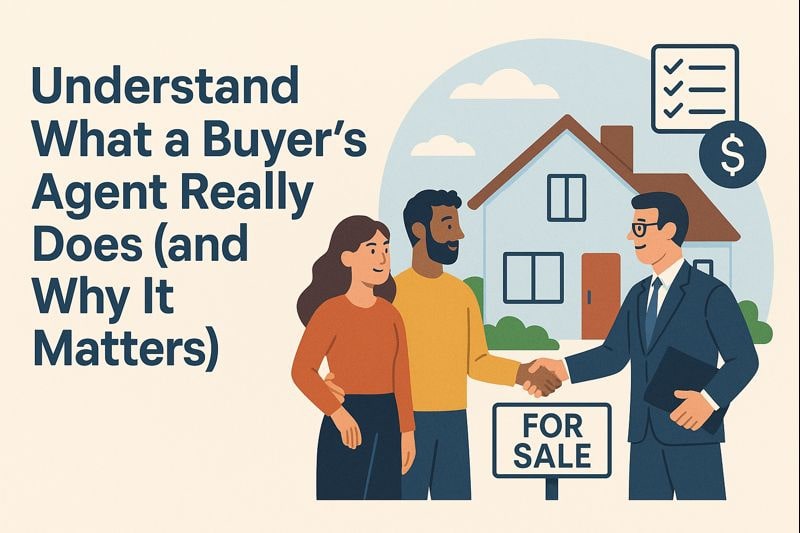
A buyer’s agent is not just someone who unlocks doors and sends listings. A strong real estate agent acts as a strategist, researcher, negotiator, risk manager, and project coordinator.
When you choose the right real estate agent for buying a home, you’re hiring a professional who should represent your interests at every step, including when it’s uncomfortable to say “no” to a deal.
A quality real estate agent for buying a home helps you define realistic criteria, then builds a plan to find properties that match your goals. They interpret market data, explain comparable sales, and help you decide when a list price is fair, inflated, or intentionally low to spark bidding.
They coordinate showings efficiently and help you “read” a home beyond the surface—spotting signs of deferred maintenance, layout limitations, and resale concerns.
They also guide your offer strategy. That includes price, contingencies, closing timeline, repairs, credits, and how to structure the offer to win without overpaying. A skilled real estate agent understands how inspections, appraisals, and financing interact and will help you avoid common traps that derail closings.
Most importantly, your agent should reduce risk. They should help you keep documentation organized, meet deadlines, understand disclosures, and know when to bring in specialists such as inspectors, contractors, attorneys, or lenders. When you choose the right real estate agent, you’re buying clarity and protection—not just convenience.
Start With Your Goals and Match Them to the Right Agent Type
Choosing a real estate agent for buying a home becomes much easier when you first clarify what kind of buyer you are and what kind of home you’re trying to purchase. Different agents excel in different situations, and the best match is the one whose strengths align with your specific path.
If you’re a first-time buyer, you’ll benefit from a real estate agent who enjoys teaching, explains terms without pressure, and is patient with touring, questions, and decision-making.
If you’re relocating, you need a local expert who can compare neighborhoods honestly, explain commute patterns, and do high-quality virtual tours. If you’re buying a condo, you want an agent who understands HOA financials, special assessments, and condo lending guidelines.
Your timeline matters too. If you need to buy quickly, choose the right real estate agent who is responsive, organized, and able to book showings fast. If you’re shopping slowly, you want a real estate agent who can keep you informed without pushing you into a premature offer.
Your financing type is another critical match factor. If you’re using a low-down-payment loan, down payment assistance, or a renovation loan, your real estate agent for buying a home must understand how those deals are structured and how sellers may react. The right agent helps you compete while staying within your financing guardrails.
A good way to think about it: you’re not hiring “a real estate agent.” You’re hiring a specialist for your version of buying a home. When you choose the right real estate agent, you choose someone who can win the deal you’re most likely to pursue.
Know the New Rules Around Buyer Agreements and Compensation

One of the most important “new” realities in home buying is that many buyers will be asked to sign a written agreement before touring homes with an agent.
Under widely adopted policy changes, MLS participants working with a buyer are required to have a written agreement in place before a home tour, including live virtual tours. This has changed how buyers should approach the decision to choose the right real estate agent.
A written buyer agreement typically clarifies the services the real estate agent will provide, the duration of the relationship, the geographic scope, and—critically—how the agent will be compensated.
Compensation has always been negotiable, but the process is becoming more explicit and upfront. You may see compensation framed as a percentage, a flat fee, an hourly structure, or a hybrid model depending on the brokerage.
What this means for you: don’t treat hiring a real estate agent for buying a home as casual. Interview first, compare value, and make sure you understand the agreement terms before signing anything. If you don’t understand a clause, ask for clarification. If you want flexibility, discuss a shorter term or a specific neighborhood scope.
Also, understand that in some transactions the seller may still offer concessions or other structures that effectively cover some buyer-side costs, but you shouldn’t assume it.
The right approach is to plan for the possibility that you could be responsible for your agent’s fee and negotiate accordingly in your offer strategy. Articles tracking the first year of these changes show commissions have not necessarily dropped dramatically, reinforcing why buyers should understand and negotiate thoughtfully.
When you choose the right real estate agent, you’re choosing a partner in a more transparent system—one where the agent’s value should be clear, measurable, and worth the agreement you sign.
How to Vet a Real Estate Agent Like a Pro
When you’re trying to choose the right real estate agent for buying a home, don’t rely on popularity alone. You want proof of competence in areas that directly impact your results: pricing insight, negotiating skill, communication, and transaction management.
Start with licensing and standing. Confirm the agent is properly licensed in your state and ask if they’ve had disciplinary actions. Next, look at experience, but don’t treat years in the business as the only metric. An agent with five strong years in your neighborhood may outperform a 15-year agent who doesn’t focus on your area.
Then evaluate local expertise. Ask how they determine fair value and how they handle multiple-offer situations. A great real estate agent can explain recent comparable sales, days on market, and what changes when interest rates shift. They should also be honest about what’s realistic, even if it’s not what you hoped to hear.
Communication style is a make-or-break factor. Ask how quickly they respond, what channels they use (text, calls, email), and how often they provide updates. A strong real estate agent for buying a home has systems: showing schedules, offer templates, vendor networks, and deadline tracking.
Finally, ask about their workload. An agent juggling too many clients may be slow on showings and offers, which can cost you a home in competitive markets. When you choose the right real estate agent, you choose someone with the time and structure to execute quickly.
Questions to Ask in the Interview (and What Good Answers Sound Like)
A real interview is specific. You’re not asking, “Are you good?” You’re asking questions that reveal how the real estate agent thinks, negotiates, and protects you.
Ask: “How do you help buyers compete without overpaying?” A strong agent will talk about comps, escalation clauses (when appropriate), inspection strategy, appraisal risk, and clean offer terms—not just “offer higher.”
Ask: “How do you handle inspection negotiations?” A skilled real estate agent for buying a home will explain how they separate safety issues from cosmetic issues, how they request credits vs repairs, and when they recommend walking away.
Ask: “What’s your approach to communication and availability?” Good answers include response-time expectations, backup coverage if they’re unavailable, and proactive check-ins.
Ask: “What does your buyer agreement include?” With buyer agreements becoming more common before touring, the best agents explain the document clearly, including term length, cancellation terms, and compensation options.
Ask: “Can you walk me through a deal that almost fell apart and how you saved it?” Great agents have real stories about appraisal gaps, title issues, repair disputes, financing surprises, and how they solved problems calmly.
These questions help you choose the right real estate agent because they force concrete examples. Vague answers are a red flag. Clear, detailed answers usually signal real competence.
Red Flags That Suggest You Should Keep Looking
If you want to choose the right real estate agent for buying a home, you also need to recognize warning signs early. Many buyers ignore red flags because they feel awkward “breaking up” with an agent. But the cost of a bad fit can show up as missed opportunities, poor negotiations, or expensive mistakes.
A major red flag is pressure. If a real estate agent pushes you to make offers before you feel ready, dismisses your concerns, or tries to make you feel guilty for asking questions, that’s not advocacy. That’s self-interest. You need an agent who respects your pace and explains tradeoffs clearly.
Another red flag is weak market knowledge. If your agent can’t explain why a home is priced the way it is, can’t interpret comparable sales, or can’t describe neighborhood differences, you’re not getting real guidance. You’re getting door-opening.
Watch for disorganization. Missed appointments, sloppy emails, unclear next steps, or confusion about deadlines can become serious problems once you’re under contract. A strong real estate agent for buying a home has repeatable processes and communicates them.
Be cautious if an agent is vague about compensation or defensive about discussing it. With buyer agreements and compensation being discussed more openly, transparent professionals welcome the conversation and explain options calmly.
Finally, be wary of agents who always recommend the same inspector, lender, or contractor without giving you choices. A good real estate agent can suggest trusted professionals, but should also support your right to choose.
Choosing the right real estate agent means choosing peace of mind. If you consistently feel confused, rushed, or underinformed, keep looking.
How to Compare Agents Without Getting Overwhelmed
Many buyers interview one agent, feel relieved to “have help,” and stop there. But if you truly want to choose the right real estate agent for buying a home, you should compare at least two or three. The goal isn’t to create extra work. The goal is to see meaningful differences in strategy, communication, and value.
Use a simple comparison lens:
- Local fit: Who knows your target neighborhoods best and can explain price behavior confidently?
- Strategy fit: Who has a clear plan for winning offers in your market without reckless overbidding?
- Communication fit: Who matches your preferred style and provides predictable responsiveness?
- Service fit: Who manages details (deadlines, documents, vendors) like a professional project manager?
- Cost clarity: Who explains compensation and buyer agreement terms clearly and fairly?
Also consider how each real estate agent uses technology. Some agents are excellent with listing alerts, virtual tours, e-signatures, and transaction portals. Others are more manual. Neither is “wrong,” but your lifestyle and timeline may require speed and structure.
Pay attention to how an agent makes you feel—not emotionally, but practically. After the conversation, do you understand the process better? Do you feel more confident? Do you know the next steps? If an agent leaves you clearer than before, that’s a strong sign.
When you choose the right real estate agent for buying a home, you’re choosing a system, not just a person. The best agent makes the entire process feel more organized and more predictable.
Negotiating Agent Services and Fees in a Buyer Agreement
Because buyer agreements and compensation discussions are more prominent, buyers are increasingly negotiating terms just like they negotiate a home price. This isn’t confrontational when it’s done professionally—it’s normal business.
Start by asking what services are included: touring strategy, pricing analysis, offer writing, negotiation, inspection coordination, appraisal support, closing coordination, and post-closing help.
Then ask what compensation model the real estate agent offers: percentage, flat fee, hourly, or hybrid. You may also ask if compensation changes based on the complexity of the transaction, property type, or price range.
If you want to negotiate, focus on value and clarity. You can ask for:
- A shorter agreement term if you’re still exploring
- A neighborhood or property-type limit so it isn’t overly broad
- A cancellation clause if communication standards aren’t met
- A clear explanation of when compensation is due and from what sources
Rules and norms differ by local market, and some brokerages have stricter policies than others, but consumers are encouraged to understand and discuss commission structure and responsibilities.
The goal is not to “win” against your real estate agent. The goal is to align incentives. When you choose the right real estate agent and agree on terms that feel fair, you’re more likely to work well together and close smoothly.
Choosing the Right Real Estate Agent for Your Specific Scenario
Not all buying journeys are the same. To choose the right real estate agent for buying a home, make sure the agent has deep experience with your specific scenario—because the risks and strategies differ.
For first-time buyers, the right real estate agent is education-forward. They explain earnest money, contingencies, closing costs, and how timelines work. They help you build confidence, not urgency.
For competitive markets, you need an agent who can move fast: immediate showings, same-day offer writing, smart escalation strategies, and strong listing-agent communication. They must also help you avoid the classic trap of overpaying emotionally.
For new construction, you want a real estate agent for buying a home who understands builder contracts, upgrade pricing, incentives, timelines, and inspection checkpoints (yes, you still need inspections). Builder sales teams represent the builder, so buyer representation can matter.
For condos and townhomes, your agent must review HOA documents carefully and help you understand reserves, rules, and special assessment risk.
For investment or multi-unit purchases, you need an agent who can analyze rents, expenses, and realistic cash flow—while also knowing what lenders require.
For relocation or remote buying, pick an agent who can run high-quality virtual showings, provide honest neighborhood context, and coordinate inspections and closing details from a distance.
Choosing the right real estate agent means choosing someone whose daily work looks like your goal. If your situation is niche, hire a specialist—not a generalist who “can figure it out.”
The Future of Working With a Real Estate Agent (Trends and Predictions)
If you want an “updated guide” on how to choose the right real estate agent for buying a home, you should also understand where the industry is headed. The biggest shift is transparency: buyers are more likely to see compensation and service terms upfront through written agreements and clearer negotiations.
Over the next few years, expect more menu-style service models. Some buyers will want full-service representation. Others will want limited-scope help: offer writing only, negotiation support only, or hourly consulting.
Technology will push this forward. Digital portals, AI-assisted pricing tools, virtual tours, and faster document workflows will make it easier to unbundle services, compare value, and expect faster response times.
At the same time, the best real estate agent will become more valuable in complex deals, not less. As transactions become more transparent, the agents who can prove expertise—through negotiation outcomes, risk management, and deal problem-solving—will stand out. Meanwhile, agents who only provide basic access and generic advice will face more pressure.
You may also see more remote and hybrid closings. Many lenders and title systems already support variations of remote notarization and electronic processes depending on state rules and lender requirements. The practical outcome: buyers will increasingly expect speed and convenience, and agents will need stronger digital skills.
The smartest move you can make now is to choose the right real estate agent who is adaptable—someone who can explain current rules clearly, show measurable value, and work efficiently with modern tools while still protecting you like a traditional fiduciary advocate.
FAQs
Q.1: How many real estate agents should I interview before choosing one?
Answer: Interviewing two or three is usually enough to spot differences in experience, communication, and strategy. The goal is to compare how each real estate agent answers detailed questions about pricing, negotiations, inspections, and buyer agreements.
If every answer sounds vague or identical, interview more. When you choose the right real estate agent for buying a home, you should feel like you’re selecting a clear plan—not just picking someone who is “nice.”
Also consider a short “working test.” Ask each real estate agent for buying a home to pull a few examples of recent comparable sales in your target area and explain what those comps mean for your budget. The agent who can translate data into confident, practical guidance is often the one who will protect you best when it’s time to offer.
Finally, don’t rush because you’re eager to start touring. In many markets, you may be asked to sign a written agreement before touring anyway, so it’s smarter to interview first and sign later with confidence.
Q.2: Do I have to sign a buyer agreement to work with a real estate agent?
Answer: In many places, it’s increasingly common—and sometimes required for MLS participants—to have a written agreement before touring a home, including live virtual tours. The exact practice can vary by local rules and brokerage policies, but you should expect the conversation.
Instead of seeing this as a hassle, treat it as protection. A buyer agreement can clarify what your real estate agent will do, what you can expect, and how compensation works. The key is to read it carefully.
Make sure you understand the term length, how to cancel, what happens if you buy a home you found yourself, and whether the agreement is exclusive.
If something feels unclear, ask for a plain-English explanation. Choosing the right real estate agent for buying a home means choosing someone who welcomes transparency and explains documents patiently.
Q.3: How do I know if a real estate agent is truly local-market knowledgeable?
Answer: A local expert can talk in specifics. They can explain how pricing differs street by street, which neighborhoods have faster turnover, what impacts resale value, and how seasonal patterns affect inventory. They’ll use recent comparable sales and talk about days on market, list-to-sale ratios, and typical negotiation points.
Ask your real estate agent for buying a home questions like: “What’s the most common reason deals fall apart here?” or “What inspection issues show up most in this area’s housing stock?” Great agents give grounded, consistent answers.
You can also test knowledge by sending a listing and asking what they notice beyond the photos: red flags, pricing strategy, likely competition level, and negotiation approach. When you choose the right real estate agent, you should feel like you’re working with someone who can anticipate problems before they cost you money.
Q.4: Should I choose a real estate agent based on the lowest fee?
Answer: Not automatically. Cost matters, but the wrong choice can cost more through overpaying, weak negotiations, missed defects, or a failed transaction. The best approach is value-based: what services are included, how strong is the negotiation track record, and how well does the agent manage risk?
With compensation being discussed more explicitly, buyers should feel comfortable asking what they’re paying for and how the real estate agent earns it. Some buyers prefer a lower fee with limited services. Others want full representation because they’re competing in a tight market or buying a complex property.
If you’re comparing fees, compare outcomes too. The right real estate agent for buying a home can often save you money in negotiation, repairs, credits, and avoided mistakes—value that can exceed a small difference in compensation.
Q.5: Can I switch real estate agents if it’s not working?
Answer: Often yes, but it depends on what you signed. If you have an exclusive buyer agreement, it may include a term, a cancellation process, or conditions for ending the relationship. That’s why reading and discussing the agreement before signing is so important.
If the relationship isn’t working, address it early. Be clear about what’s missing: slow responsiveness, unclear advice, pressure, lack of local knowledge, or disorganization. A professional real estate agent will either adjust or release you.
Choosing the right real estate agent for buying a home includes choosing a relationship that feels professional and effective. If you feel consistently underserved, switching can be the right decision—just make sure you follow the agreement terms and keep everything in writing.
Conclusion
To choose the right real estate agent for buying a home, you need to think like a smart buyer and a smart hiring manager at the same time.
Define your goals, interview with specific questions, verify expertise, and pay attention to systems—not just personality. A great real estate agent will educate you, protect you, negotiate hard, and keep the process moving with calm structure.
Today’s environment also demands more clarity than ever. With written buyer agreements becoming more common before touring and compensation being discussed more transparently, the decision matters earlier in the process than many buyers expect. The upside is that you can now evaluate value more directly and choose representation that fits your needs.
The right real estate agent for buying a home is the one who makes you feel informed, prepared, and strategically confident—while also respecting your budget and timeline. If you follow the steps in this guide, you won’t just “find an agent.”
You’ll choose the right real estate agent and build a buying experience that’s clearer, safer, and far more likely to end with the keys in your hand.